

Summary
The U.S. Strategic Petroleum Reserve has fallen below 300 million barrels, the lowest since 1983. Experts warn that the rapid drawdown in response to the Iran war could damage underground storage caverns, impairing future emergency response capabilities, while the Trump administration extends shipping waivers to maintain fuel flows.
Strategic Reserve Hits Four-Decade Low
The U.S. Strategic Petroleum Reserve (SPR) fell by 6.1 million barrels to 298.7 million barrels last week, according to data released Monday by the Department of Energy. This marks the lowest level since January 1983 for the reserve, which was established in 1975 to respond to energy supply disruptions and other emergencies. The SPR's authorized storage capacity stands at 714 million barrels.
In March, President Donald Trump ordered the release of 172 million barrels after Iran choked off oil exports through the Strait of Hormuz, triggering what has been described as the largest disruption of crude oil supplies in history. This massive drawdown has kept global inventories under sustained pressure and placed unprecedented strain on U.S. domestic petroleum reserves. According to the current release schedule, the SPR will sit at approximately 243 million barrels once the drawdown is complete, roughly 34% of authorized capacity.
The scale and speed of this depletion have raised fundamental questions about the sustainability of U.S. strategic energy reserves and the nation's ability to respond to future supply shocks. While the immediate goal has been to stabilize domestic fuel prices and mitigate the economic impact of the Iran war, the long-term consequences of such a dramatic reduction in strategic reserves are now coming into sharper focus.
Cavern Integrity Faces Unprecedented Threats
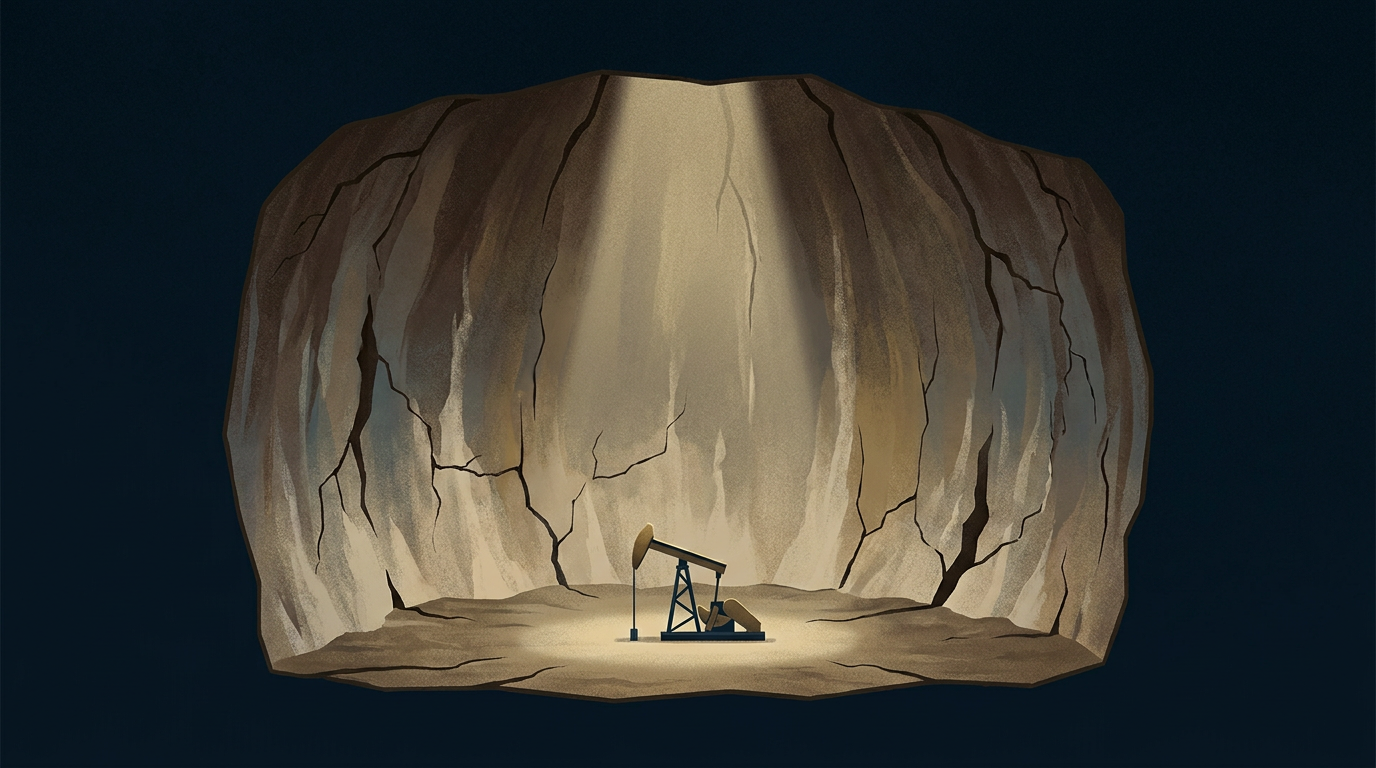
The oil in the Strategic Petroleum Reserve is stored at 60 salt caverns located thousands of feet underground at four major sites along the Gulf Coast in Louisiana and Texas. This week, experts warned that the rapid release of stockpiles in response to the Iran war could damage these caverns, potentially impairing the United States' ability to respond to future energy emergencies.
According to an Energy Department spokesperson who spoke to CNBC in July, at least 70 million barrels must remain in the reserve to safely manage the caverns. However, Amos Hochstein, a senior energy advisor to President Joe Biden, disputed this figure this week, creating public disagreement about the operational safety thresholds for the SPR.
Salt cavern storage technology relies on specific pressure balances and geological conditions to maintain structural integrity. Rapid extraction can destabilize cavern structures, increasing the risk of collapse or compromising the sealing properties that prevent oil from leaking into surrounding rock formations. If these storage facilities are damaged, the repair costs would be substantial, and the damage could permanently reduce America's strategic reserve capacity, leaving the nation more vulnerable during future energy crises.
The potential for cavern damage represents a hidden cost of the current drawdown strategy, one that may not become fully apparent until attempts are made to refill the reserve or until a new emergency tests the system's capabilities. Engineering assessments of cavern integrity typically require years of monitoring and significant investment, meaning that any damage caused by the current rapid depletion may not be fully understood or remediated for some time.
Trump Administration Extends Shipping Law Waiver
Facing continued disruption of global oil markets due to the Iran war, the Trump administration announced Monday that it would extend the Jones Act waiver for another 90 days while narrowing its scope. This marks the second extension of the waiver by the Trump administration, aimed at reducing U.S. shipping restrictions to ensure fuel continues flowing during wartime conditions.
President Trump first issued a 60-day Jones Act waiver on March 17, less than three weeks after the United States and Israel launched heavy strikes on Iran that precipitated the war. In mid-May, the administration extended the waiver for an additional 90 days. The latest 90-day extension should last until mid-November, just past the date of the midterm elections.
The Jones Act requires that vessels transporting goods between U.S. ports be built, owned, and operated by Americans. Under normal circumstances, this law is designed to protect the U.S. shipping industry, but during energy crises, it can limit the rapid redistribution of fuel supplies. Waiving the act allows foreign-flagged vessels to participate in domestic U.S. oil transport, increasing supply chain flexibility.
However, the Trump administration's decision to narrow the waiver's scope while extending its duration suggests an attempt to balance maintaining energy supplies with protecting the domestic shipping industry. This decision comes as traffic through the Strait of Hormuz remains at a trickle, oil prices have resumed their climb, and U.S. petroleum reserves have fallen to their lowest levels in decades.
Geopolitical and Energy Security Intersections
The Iran war's impact on global energy markets has exceeded initial expectations. The Strait of Hormuz is one of the world's most critical oil transit chokepoints, with approximately 21 million barrels of crude oil passing through daily, about 21% of global petroleum trade. Iran's blockade of the strait has severely disrupted global oil supply chains and caused oil prices to spike dramatically.
The Trump administration has repeatedly signaled efforts to negotiate the reopening of the Strait of Hormuz, but these efforts have so far failed to produce substantive results. As negotiations have stalled, oil prices, after a brief correction, have resumed their ascent, adding new pressures to an already inflation-burdened U.S. economy. With midterm elections approaching, energy prices have emerged as one of the focal issues for voters.
The rapid depletion of the SPR has also sparked broader discussions about U.S. energy security strategy. On one hand, releasing strategic reserves helps stabilize domestic oil prices and ease the burden on consumers; on the other hand, the dramatic reduction in reserves diminishes America's buffer capacity to respond to future energy shocks. If the Iran war continues or new supply disruptions emerge, the United States may face even more severe energy security challenges.
The situation also highlights the complex interdependencies between geopolitical conflicts, energy markets, and domestic political considerations. Energy security is no longer simply a matter of maintaining adequate reserves but involves navigating international conflicts, managing domestic political pressures, and balancing short-term economic relief against long-term strategic vulnerabilities.
Broader Economic Implications
While oil reserve issues primarily concern the traditional energy sector, their impact on the broader economy and financial markets may ripple across various industries. Sustained increases in energy prices exacerbate inflationary pressures, potentially prompting the Federal Reserve to maintain or strengthen restrictive monetary policies, which typically create headwinds for risk assets across the board.
Furthermore, energy crises underscore the vulnerability of economic and financial systems to geopolitical risks, potentially prompting some investors and institutions to reassess asset allocation strategies and seek more diversified approaches. In this context, macroeconomic uncertainty may influence risk preferences and capital flows across various asset classes.
Future Outlook and Uncertainties
The future trajectory of the U.S. Strategic Petroleum Reserve depends on multiple factors: the progress of the Iran war, the speed of global oil market recovery, U.S. domestic political dynamics, and adjustments to government reserve management strategies. If the Strait of Hormuz can be reopened, global oil supplies may gradually recover, potentially easing price pressures and creating conditions for the U.S. to rebuild the SPR.
However, the unpredictability of geopolitical risks means energy markets may continue to face high volatility. If new supply disruptions emerge or conflicts escalate, the already depleted SPR may struggle to provide adequate buffering capacity, forcing the United States to rely on other means to stabilize domestic energy supplies, such as increasing domestic production, strengthening energy cooperation with allies, or further relaxing regulatory restrictions.
The cavern integrity issue also requires long-term attention. Even if the war ends and reserve rebuilding begins, the potential damage from rapid extraction may require years and substantial funding to assess and repair. This serves as a reminder to policymakers that when responding to short-term crises, they must also consider the sustainability of long-term infrastructure.
The depletion of the SPR to 40-year lows also raises questions about the appropriate size and management of strategic reserves in an era of changing energy markets. The rise of domestic shale oil production has transformed the U.S. from a major oil importer to a significant exporter, potentially altering the calculus around strategic reserve requirements. At the same time, the transition toward renewable energy sources and the push for energy independence may reshape long-term strategic reserve policies.
Overall, the decline of the U.S. Strategic Petroleum Reserve to a 40-year low marks a significant inflection point in energy security, with implications that will continue to unfold over the coming months and years. The intersection of geopolitical conflict, domestic political pressures, infrastructure constraints, and evolving energy markets creates a complex landscape that will require careful navigation by policymakers and market participants alike.
Source: link